

Rights. Justice. Action. For ALL women and girls.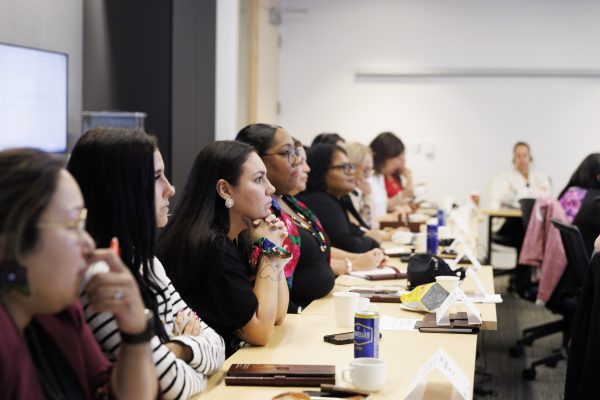
On March 8, International Women’s Day, the United Nations theme “Rights. Justice. Action. For ALL women and girls” resonates deeply with the steps taken in recent years following the National Inquiry into Missing and Murdered Indigenous Women and Girls and its 231 Calls for Justice.
Nearly seven years later, the journey continues. And it moves forward through education, leadership, solidarity, and intergenerational transmission.
Voices of Women Leaders from 8 Nations
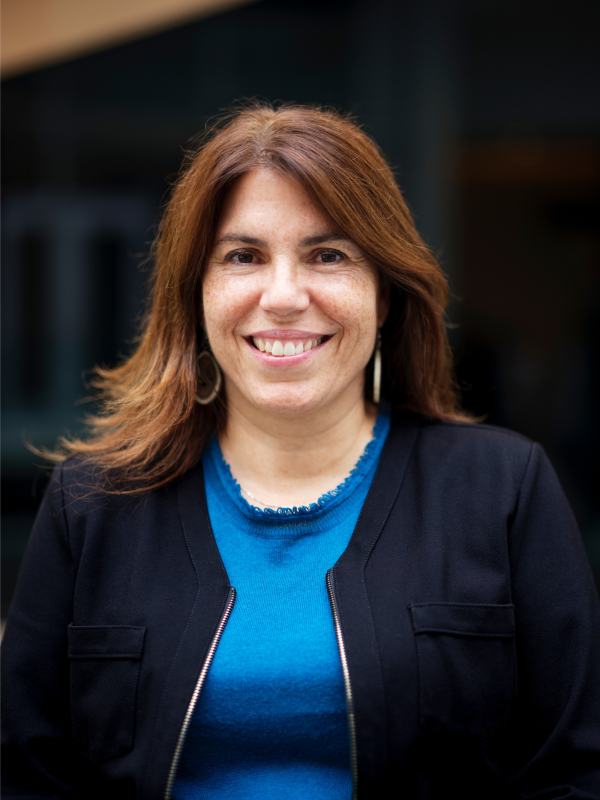
Nathalie Huntley, FNEE Director
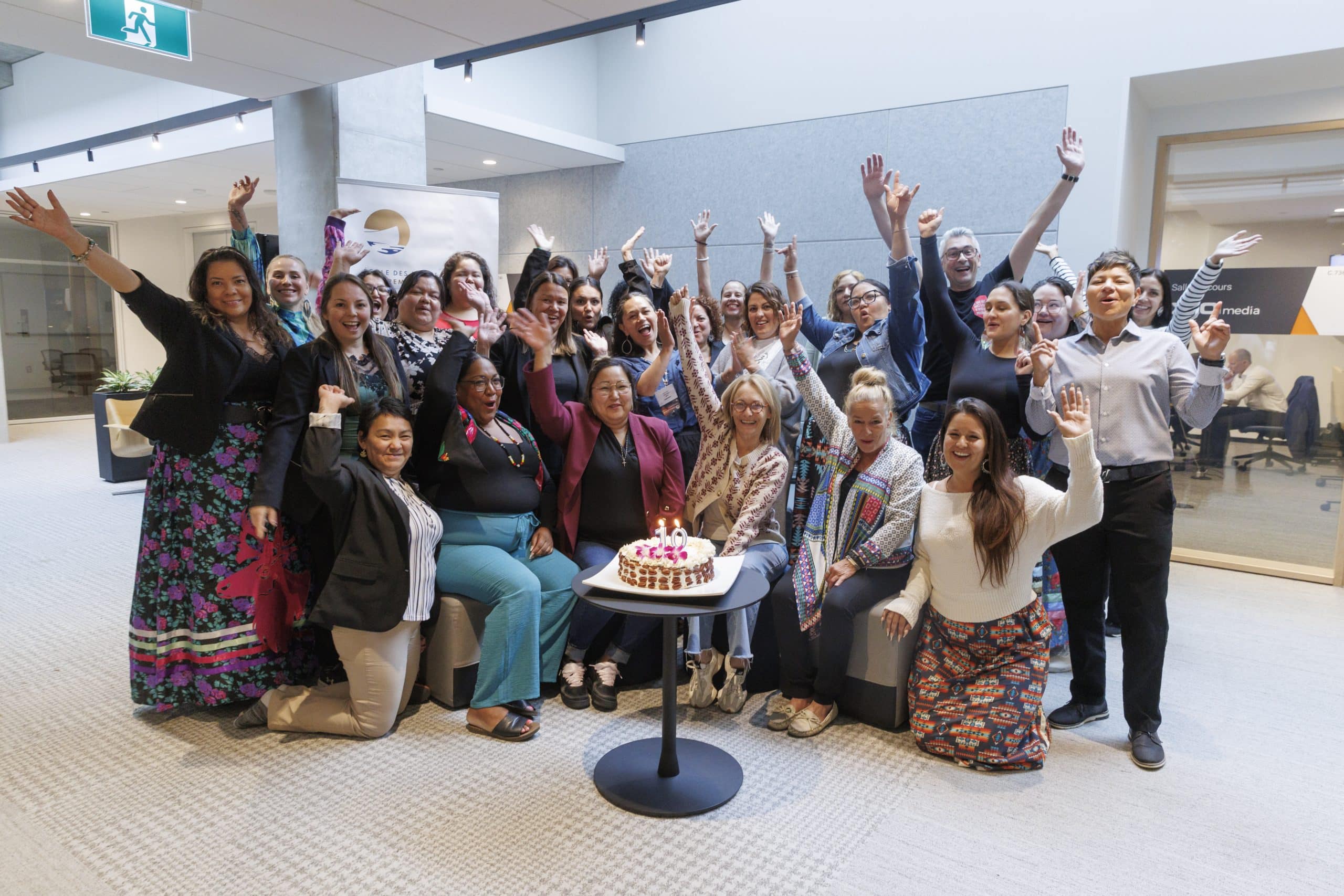
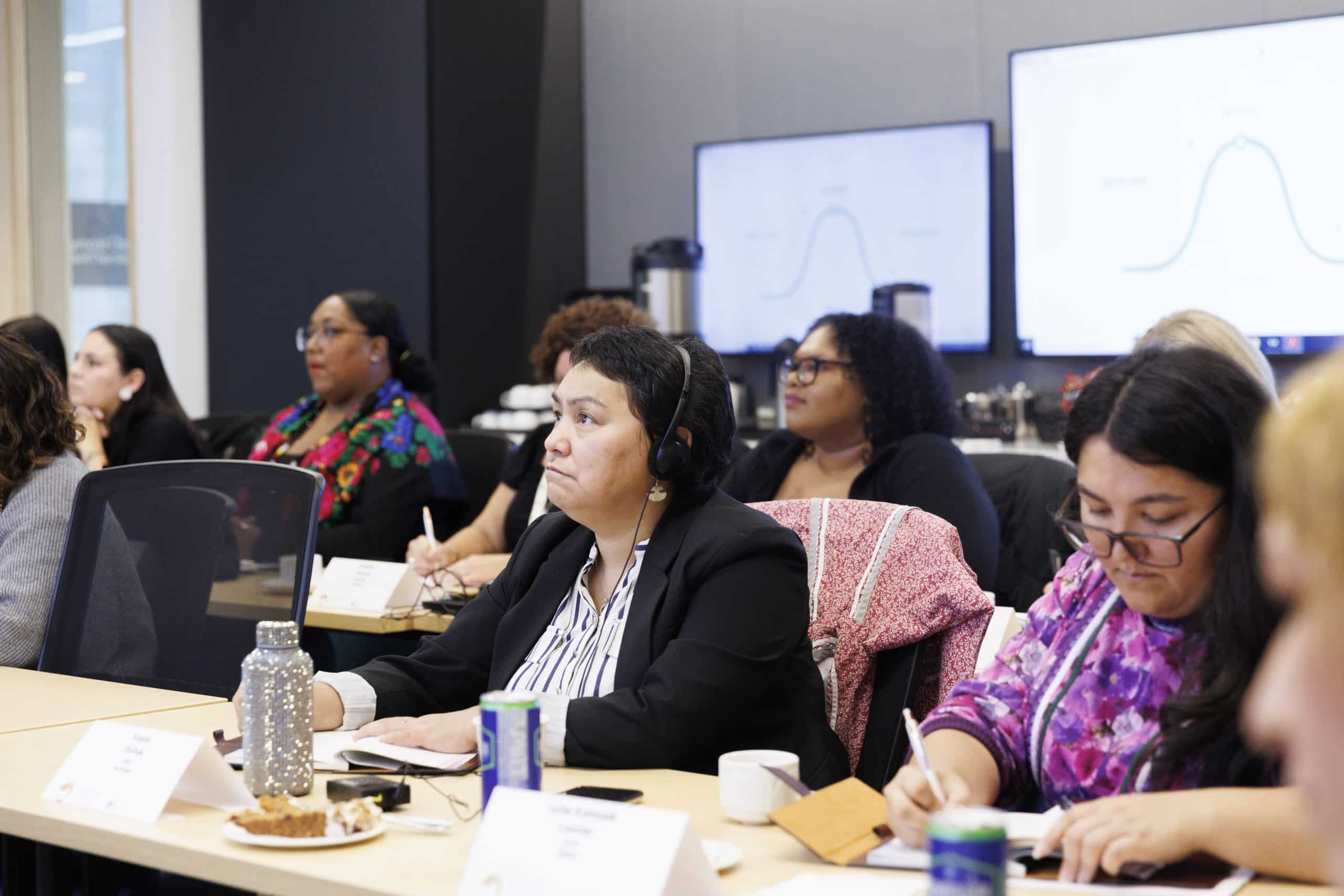
To mark this day, we are highlighting 10 inspiring leaders from eight Nations. Through their experience and commitment, they embody both the path travelled and the future still to be built.
For our Director, Nathalie Huntley, Ilnu from Mashteuiatsh, March 8 serves as a reminder that “There is still work to be done to ensure that women are fully free and safe to make their own choices, and that they can fully take their place in all spheres of activity.” She also emphasizes the importance of recognizing the legacy of past generations: Indigenous women who “transmitted and protected our cultural practices, languages, our land and its resources, and rights.”

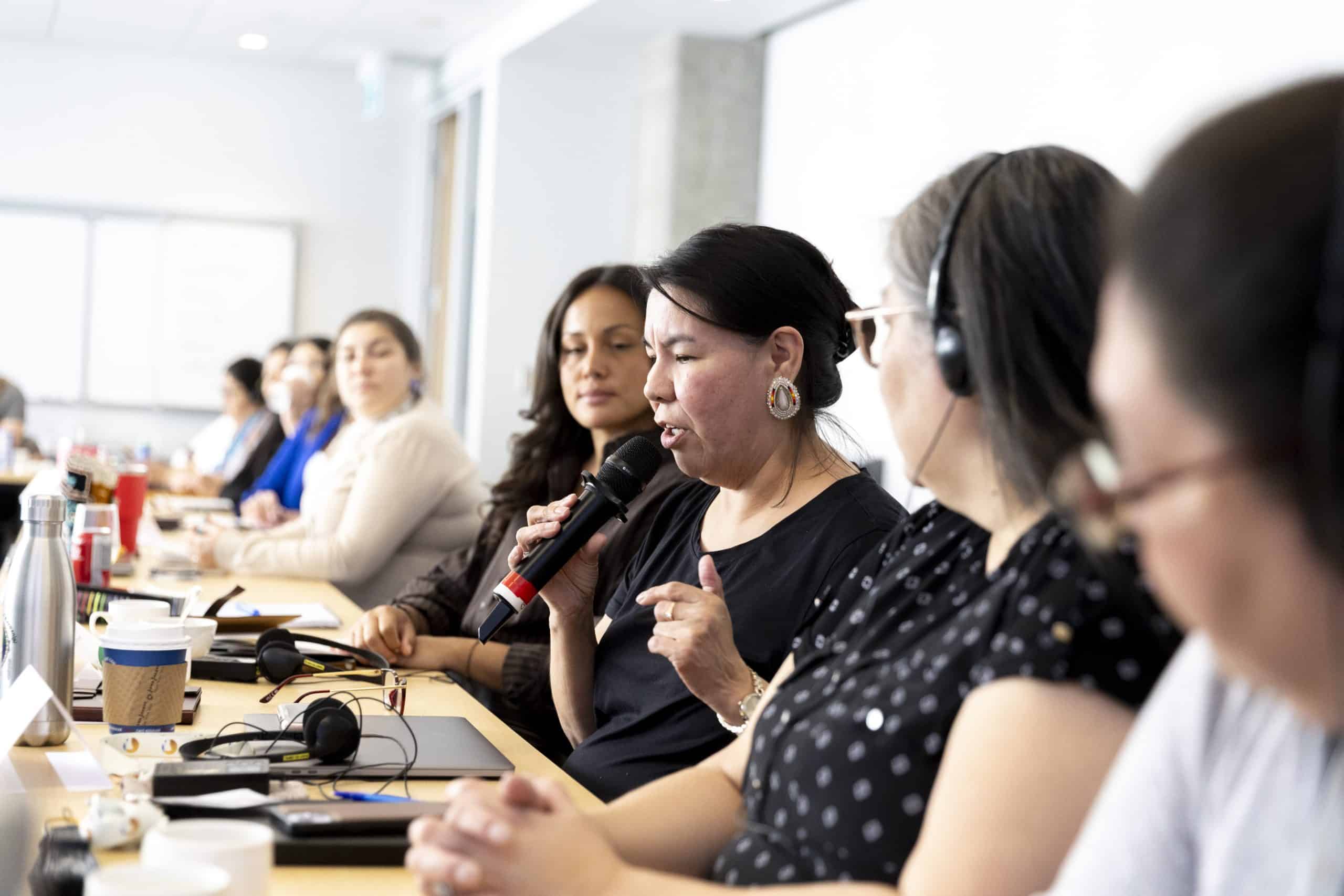
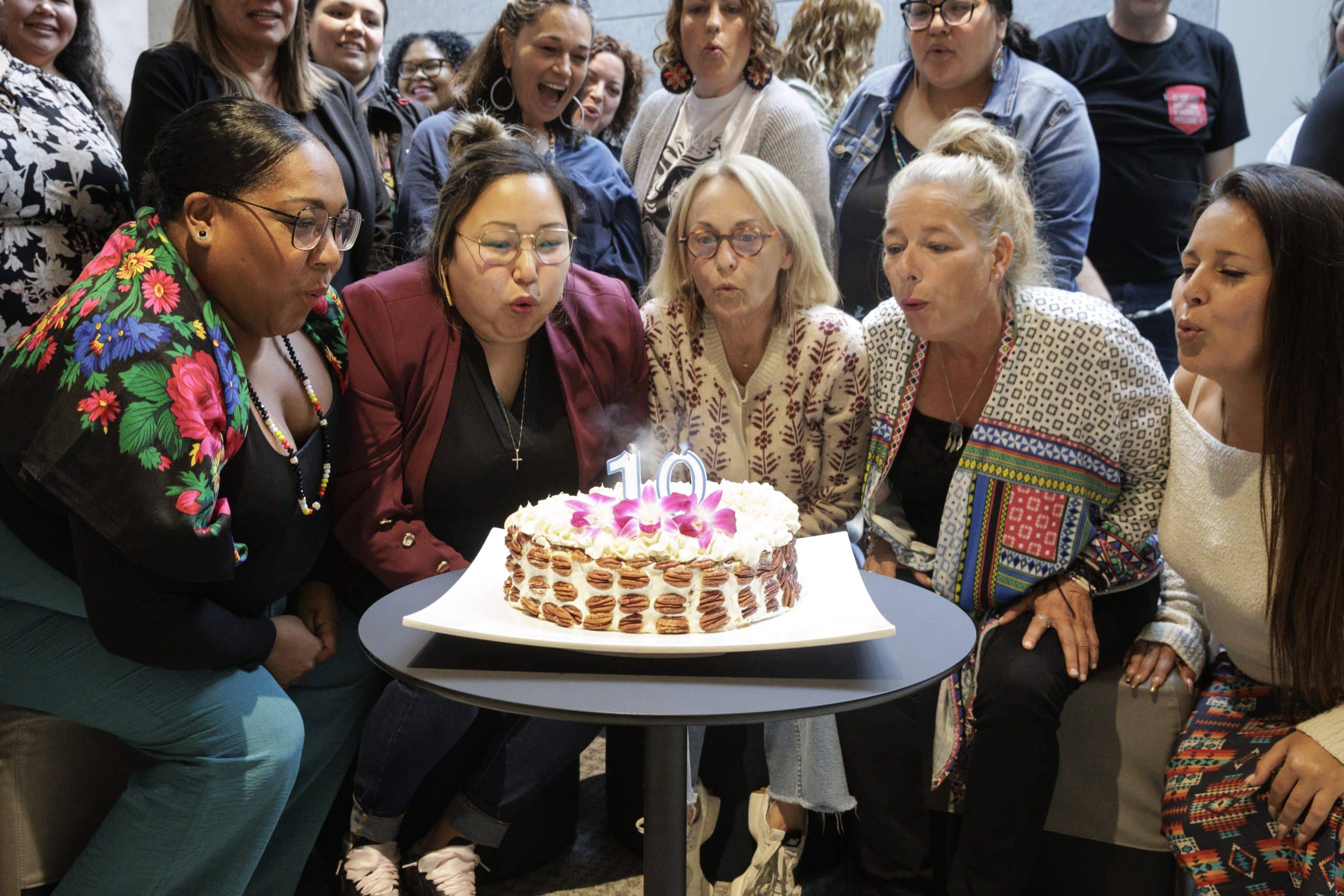
This intergenerational dimension is echoed in many participant testimonies:
“For all those who walked before us, for all those who will walk after us, let us continue together, sisters, to nourish the fire that burns within us.”
— Mélanie Savard, Wendat Nation, 1st cohort, Women Leadership Program
 Raphaëlle Langevin, Ilnu from Mashteuiatsh and participant in the 2nd Next Generation cohort, pays tribute to her mother, her kukum, and the women who walked the land before them:
“We are strong. We are resilient. We are the pillars of our families. We are the greatest pride of our ancestors.”
Participants see their role as a bridge: carrying forward the legacy they have received while opening the way for future generations.

Amanda Quitich-Ottawa, Atikamekw Nation, who has completed four programs, shares:
“Through the programs, I feel grounded in my role as a leader, and now it is about directing my actions toward the collective interest of my community and the next seven generations.”
Jeannette Martin, Mi’gmaq Nation, Knowledge Keeper and Vice-President of Quebec Native Women, adds:
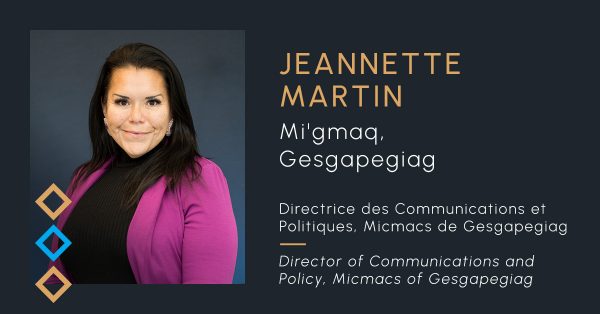
“Let us continue moving forward and opening the path so that future generations can continue to support one another and become resilient leaders.”
Finding one’s voice, strengthening one’s stance
International Women’s Day reminds us that equality has not yet been achieved. Depending on the context, many barriers remain.
Of the more than 1,200 leaders trained, 66% are women. A common thread in their experience is building confidence, learning to speak up, and strengthening their leadership stance.
Many describe this transformation:
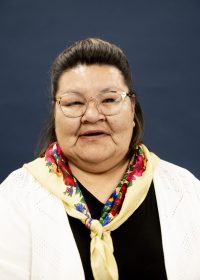
“Having more confidence in myself, supporting others in what is right for them, speaking up when people are not treated equally, and above all, learning self-care — something I greatly benefited from in the trainings.”
— Lizzie Masty, Eeyou Istchee | Cree, Whapmagoostui, 8th cohort, Women Leadership Program
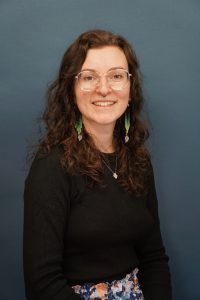
“Do not be afraid to shine, to speak loudly and clearly, to disrupt, and to fight for what matters to you. Your light deserves to be seen and your voice deserves to be heard.”
— Erika Émond, Ilnu from Mashteuiatsh, 1st Next Generation cohort
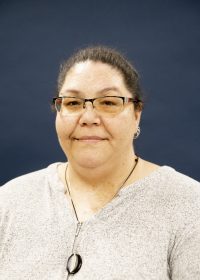
“I joined the program to support women in strengthening their stance, to help those facing conflict, and to strengthen my own voice in order to elevate other women’s voices as well. I wanted to promote equality, build strong communication, and learn to make thoughtful and wise decisions.”
— Annie Tooma, Naskapi Nation, Kawawachikamach, 2nd cohort, Women Leadership Program
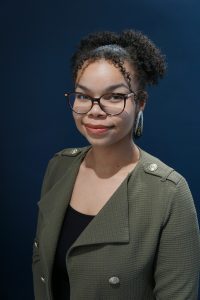
“It’s not always easy in community to think outside the box. Speaking up for those who cannot or who do not yet dare to. One of my proudest moments is being able to do that for youth.”
— Leonna Cheezo, Lac-Simon, Anishnaabe, 1st Next Generation cohort
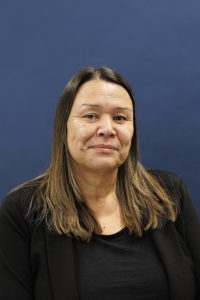
“To express how important it is to uplift their women and encourage them to learn about being in Leadership, what it takes, who the people are that can help them, through this program.”
— Melanie Morrison, Kanien’kehá:ka, 10th cohort, Women Leadership Program
On this International Women’s Day 2026, we reaffirm that Indigenous women’s leadership is transformative.
Rights. Justice. Action. For ALL women and girls.

