

Last week, 10 new economic reconciliation pairs began their training. Designed to encourage practical partnerships between Indigenous and non-Indigenous people, the program aims to promote lasting economic development rooted in cultural awareness and respect for First Nations.
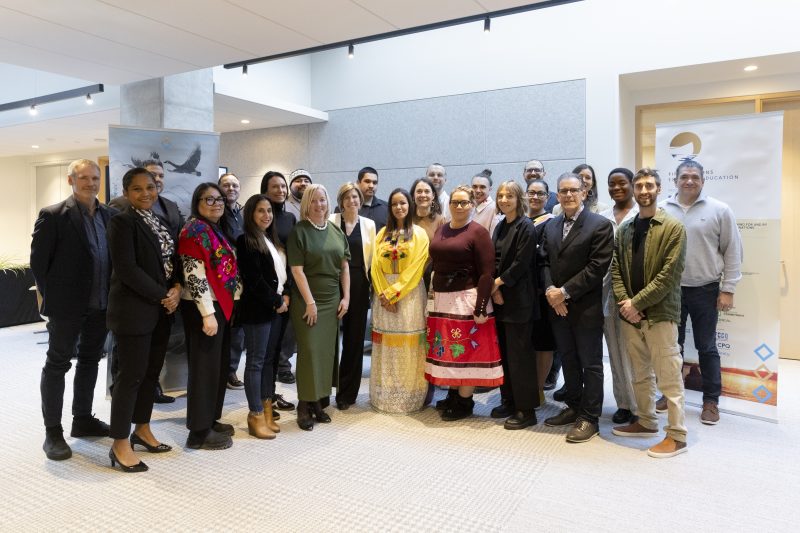
The second cohort of the Economic Reconciliation program kick-off on February 17, 2025, with the academic co-leads Marc Du Sault and Ken Rock.
Discover the mindset and aspirations of 5 of our duos as they embark on their journey together:
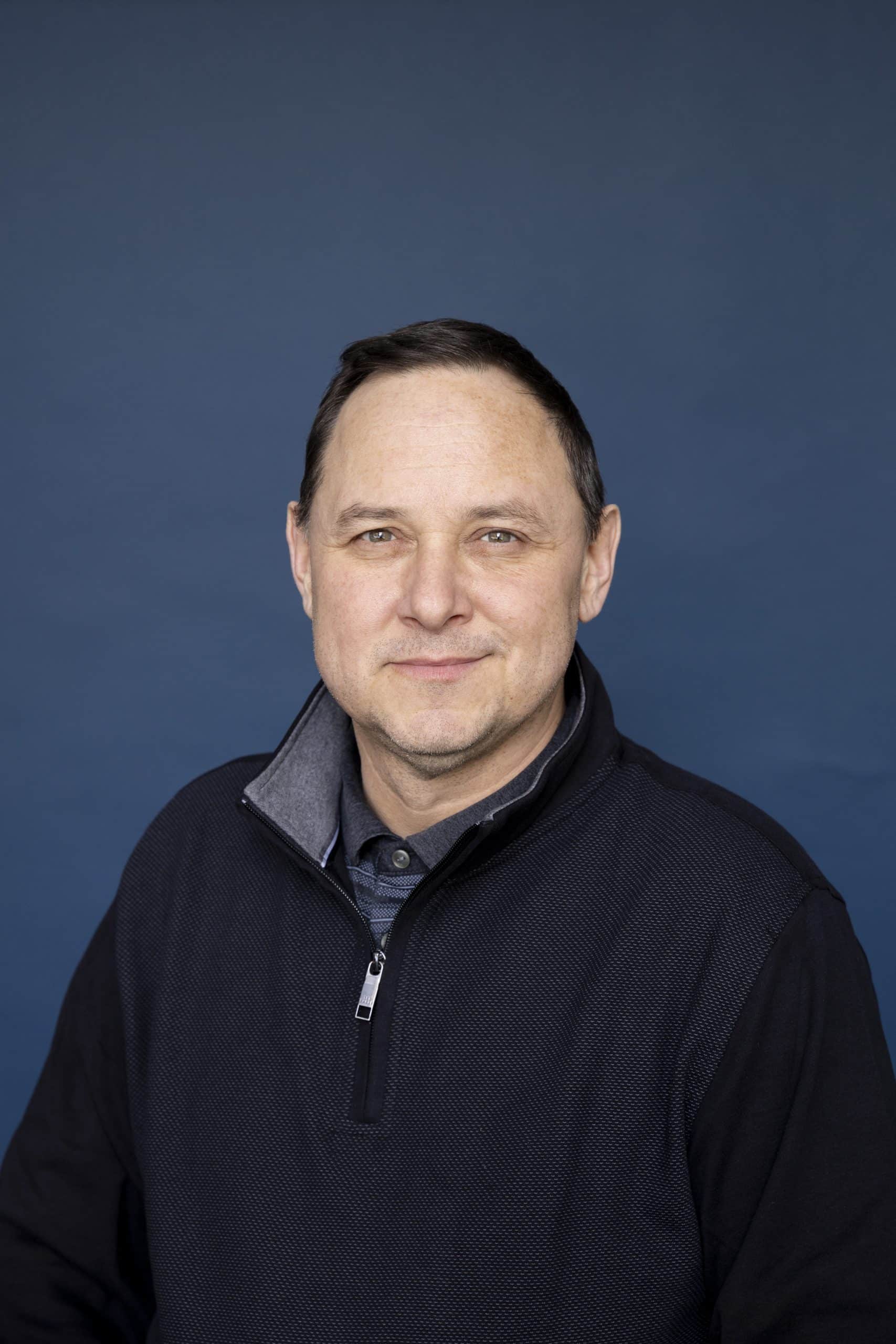
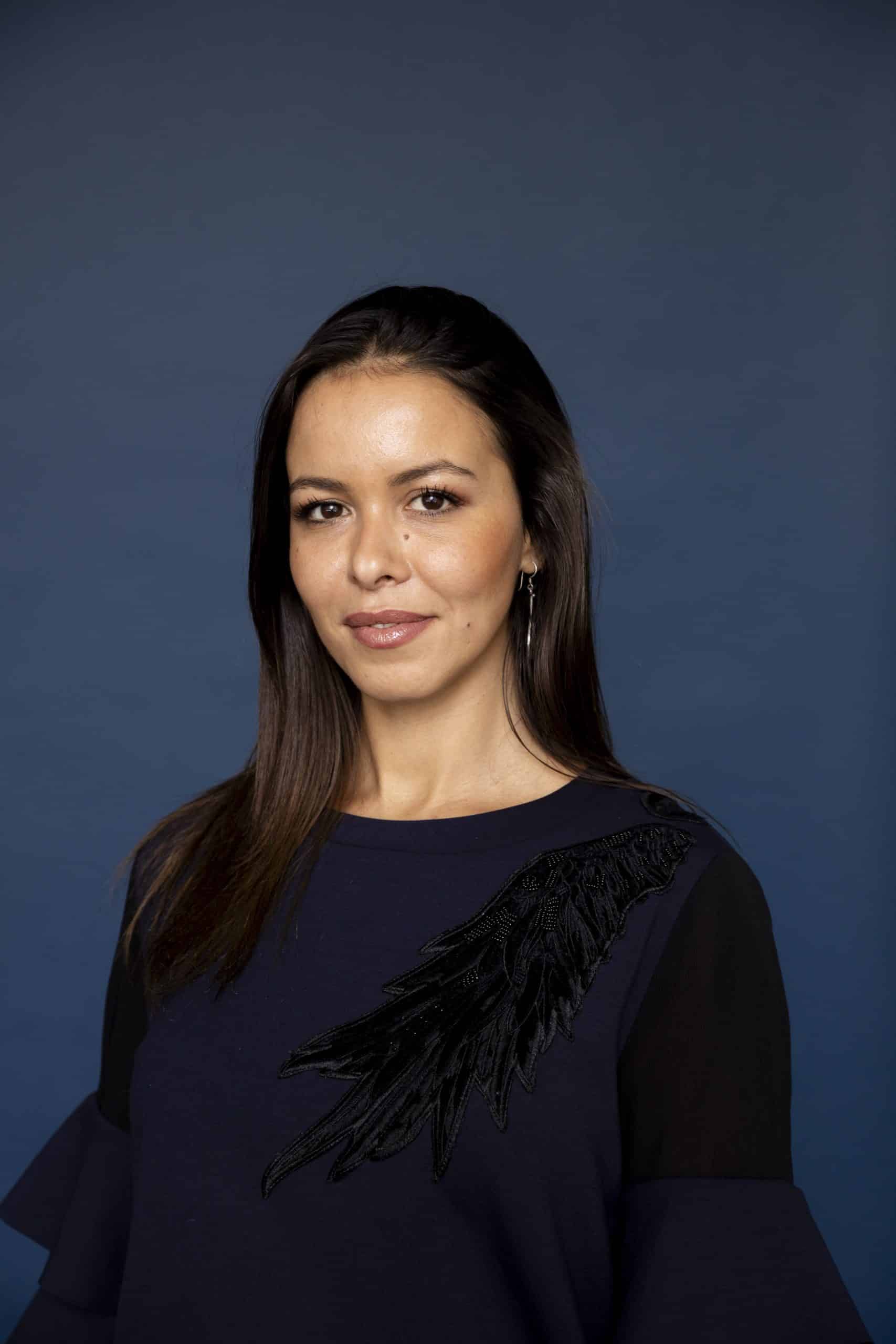
Claude Arseneault & Kawtar Lahkim – Humility & Action
Claude, an Atikamekw from Wemotaci, shares this sentiment, stressing the importance of economic development for his community. ‘I want to be active in the economic development of my Nation and contribute to First Nations’ socio-economic fabric,’ he shared.
Kawtar, an Amazigh participant, emphasizes ‘humility, which is a core value for First Peoples. Often, non-Indigenous people think they have the ‘solution’ or the ‘tools’. The reality is different: we have a lot to learn from Indigenous peoples, and solutions need to be co-constructed to adapt to diverse realities.”
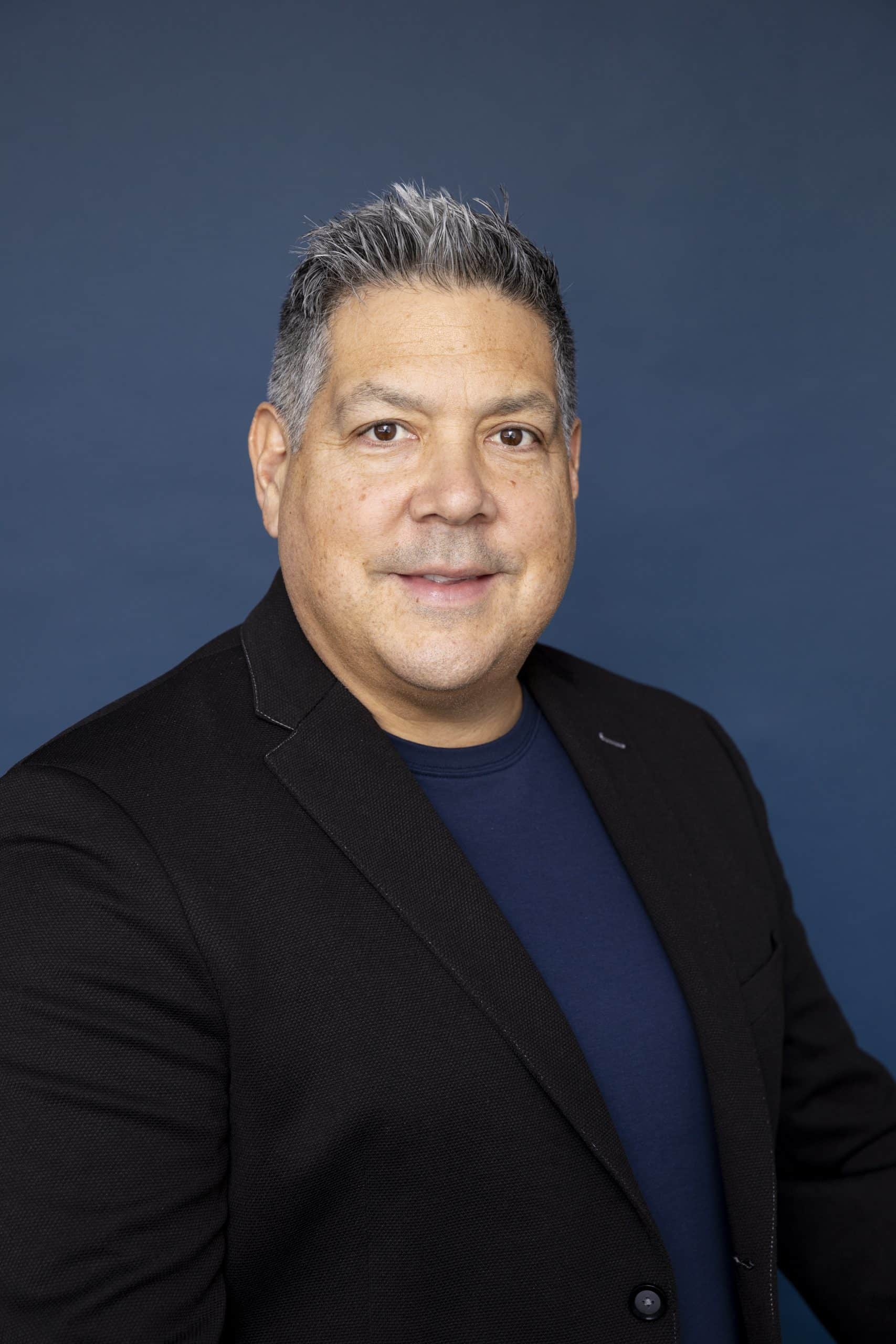
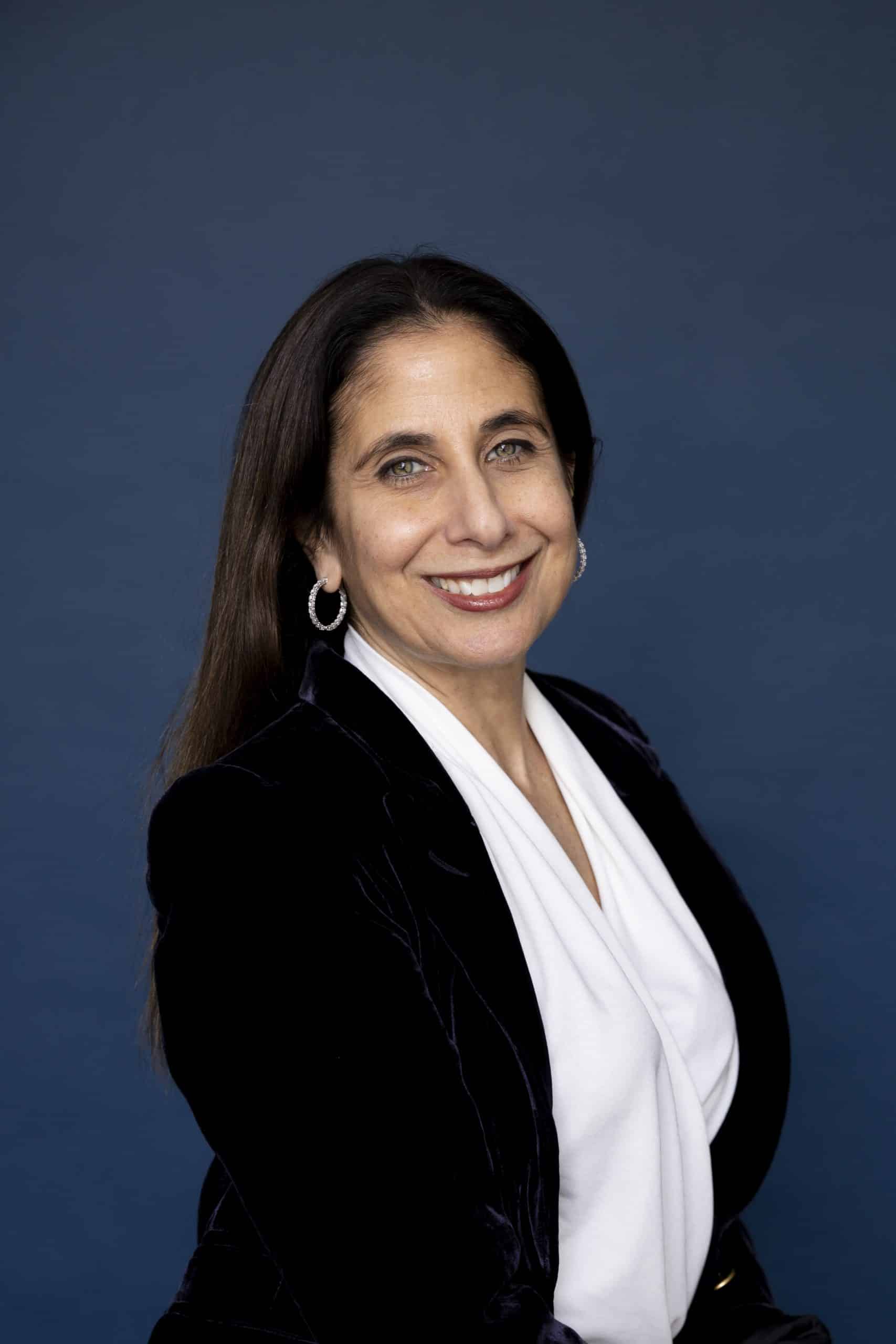
Benoit Loyer & Susan Levinger – Connect & Educate
Benoit, a Mi'gmaq from Listuguj, sees collaboration as the driving force behind change. 'We're all connected,' he says. 'We need to work together as a team to move forward.
For Susan, a non-Indigenous participant, it's the word 'educate' that resonates. Seeking to understand others is at the heart of her approach. 'It's difficult to move forward without asking questions and learning from others', she reflected.
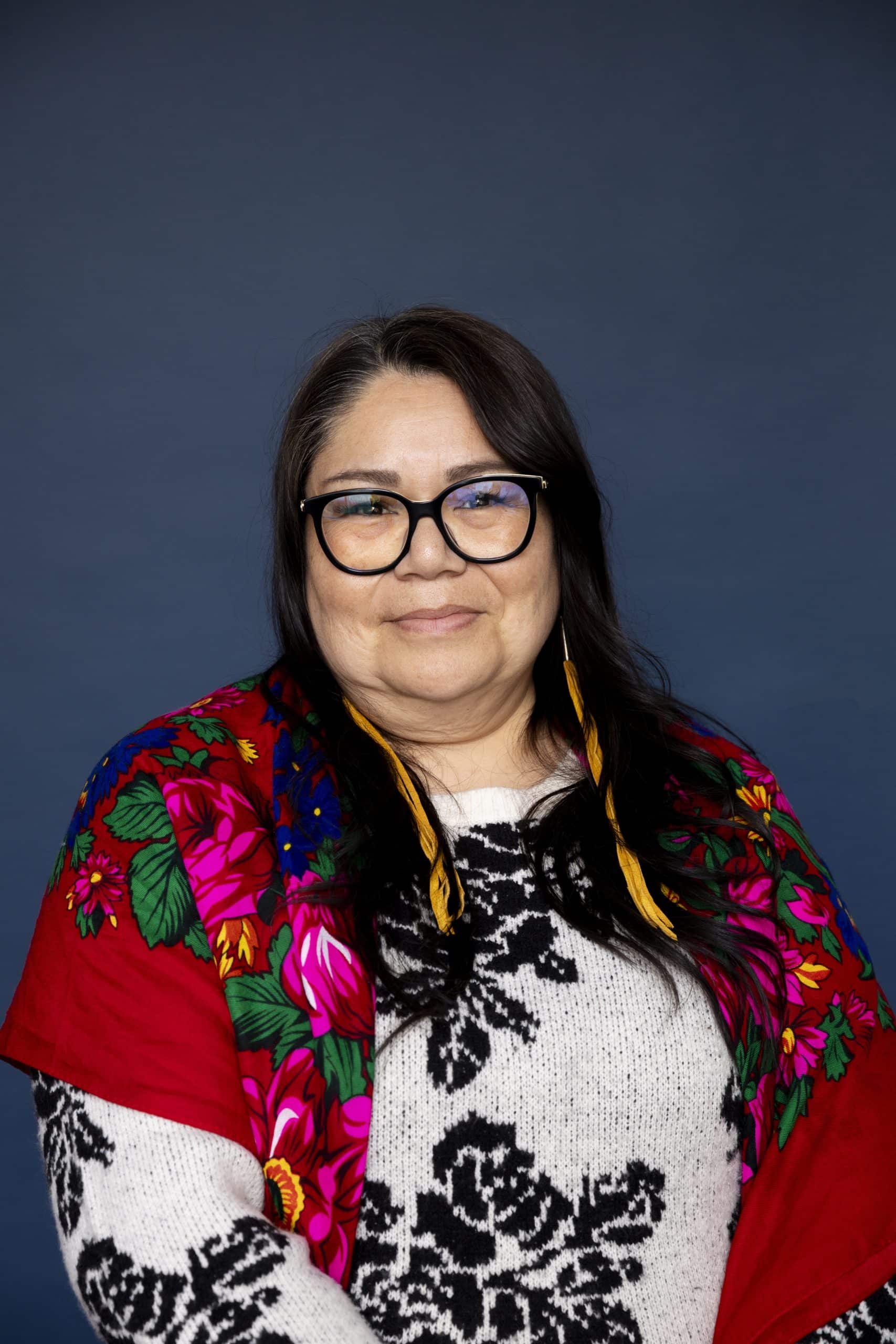
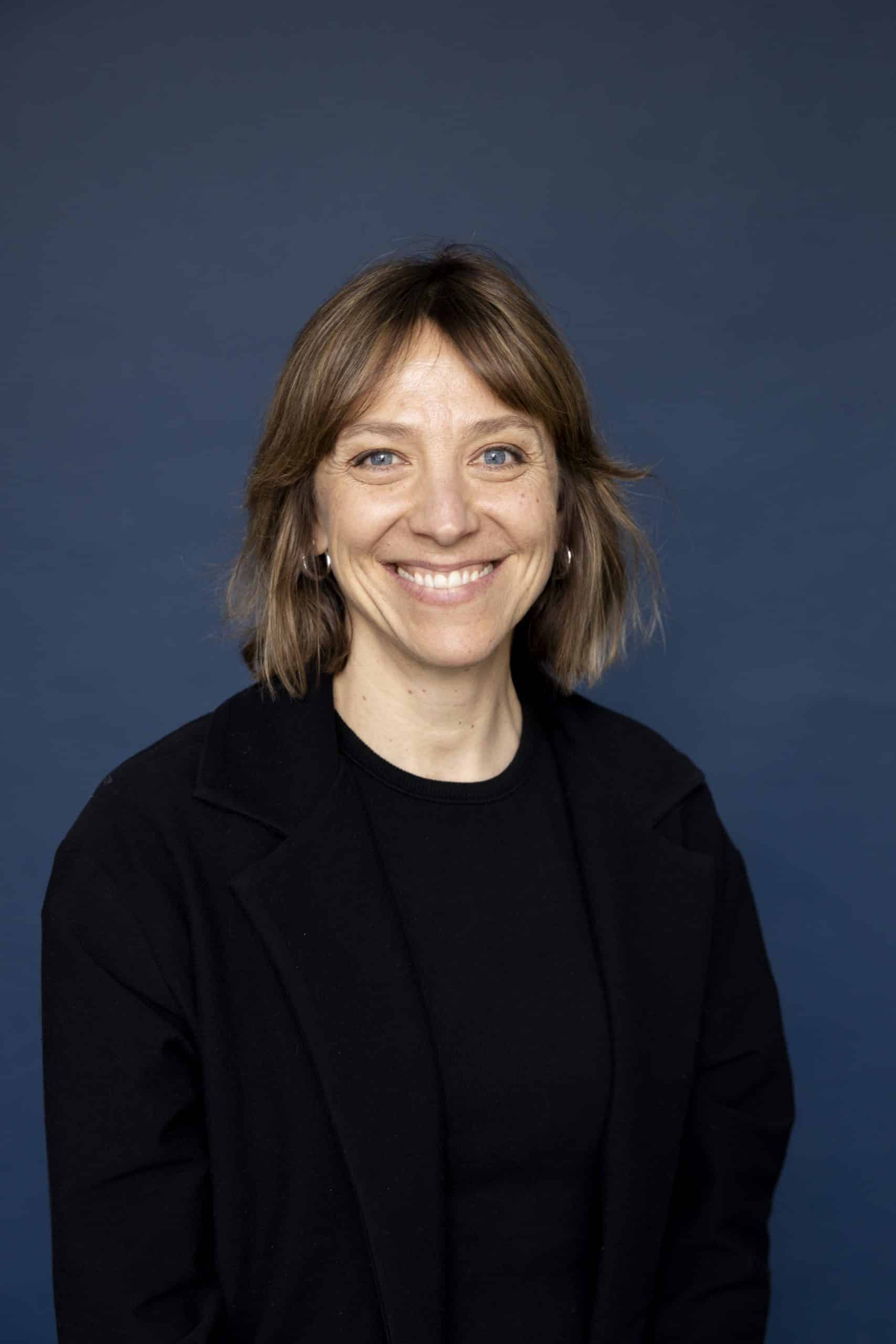
Debby Flamand & Kelly Leblanc – Bridge & Listen-Action
Debby, an Atikamekw from Manawan, described the "bridge" as a metaphor for crossing cultural divides. "The bridge is a passage for learning between two worlds, and for me, as a guardian of the land, it's crucial for reconciliation," she explained. Debby hopes to inspire other Atikamekw women and contribute to the growth of Indigenous tourism.
Kelly, a non-Indigenous participant, coined the term "Listen-Action" at the launch night of the program, emphasizing the need for mutual listening and action in the reconciliation process. "To reconcile, we must listen to First Nations and Inuit, understand their needs, and take action to make that shared vision of economic development a reality," she said.
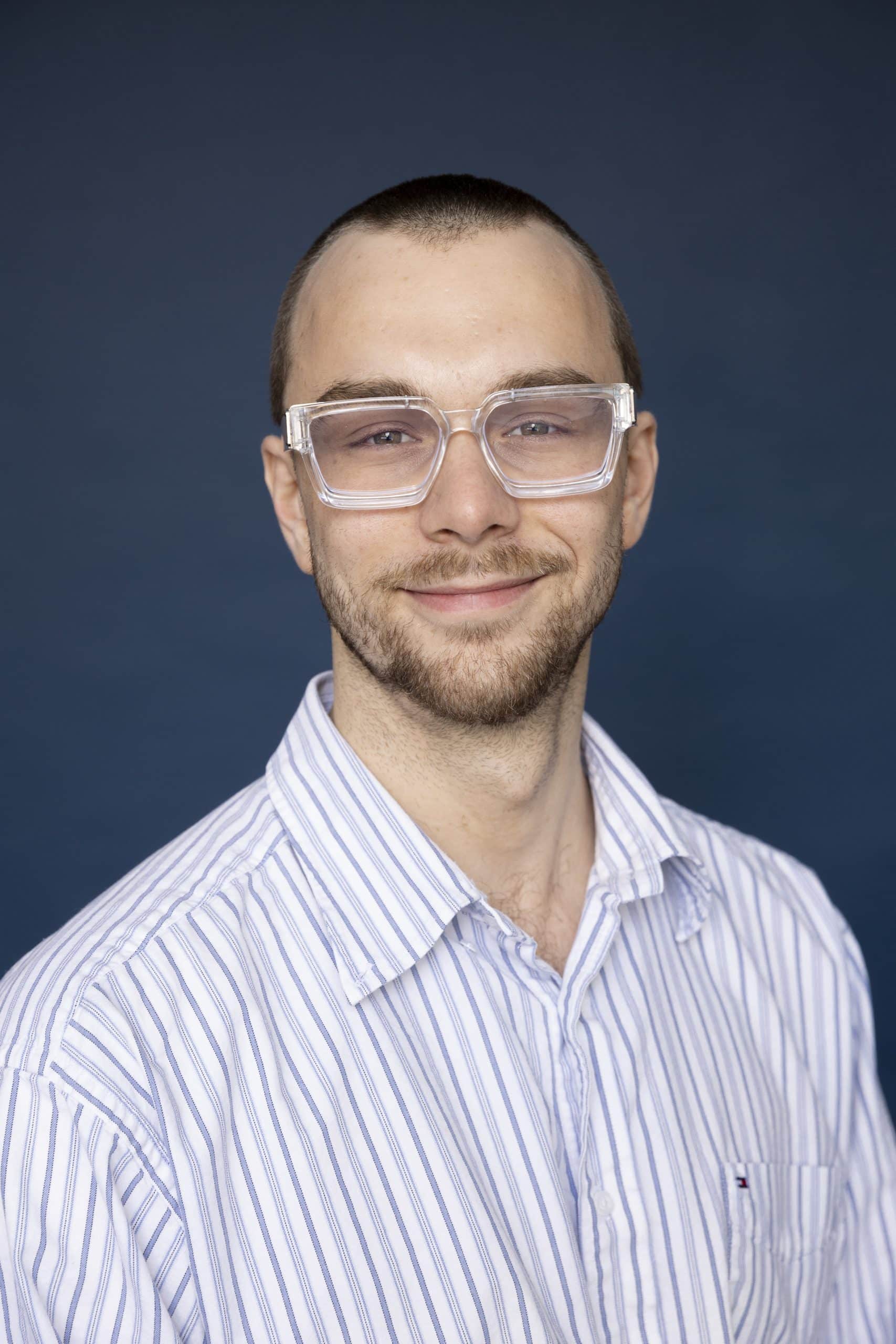
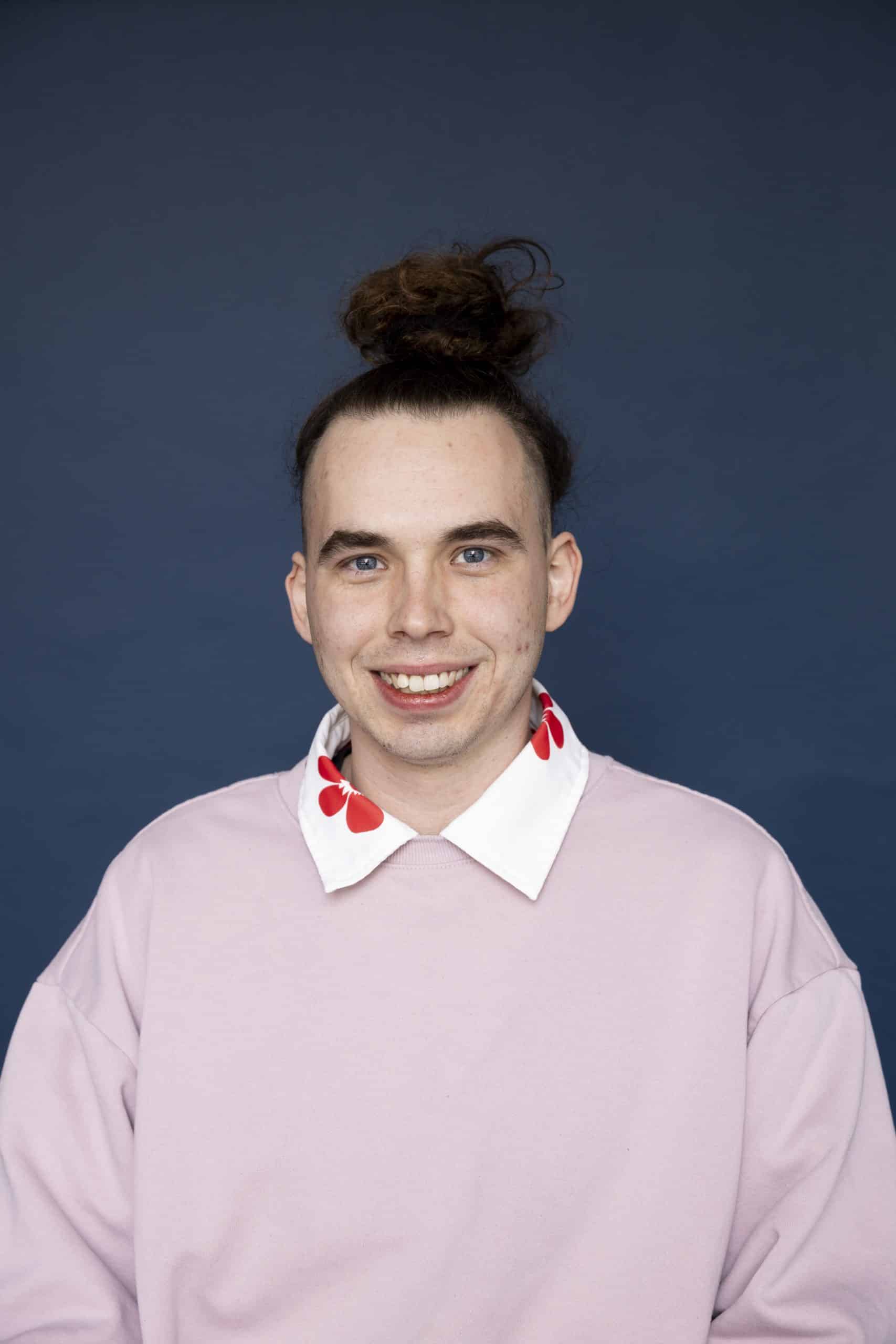
Nicky Savage-Samson & Olivier Beaudoin – Reconnection & Art
Nicky, a Mi'gmaq from Gespeg and FNEE staff, emphasized the chance to reconnect with his roots. "As an urban Indigenous person, I see this program as an opportunity to reconnect with my deep origins and learn more about myself and others," he shared.
Olivier, a non-Indigenous participant, believes in exploring Indigenous cultures through art. 'I hope to create opportunities for social and economic reconciliation,' he says.
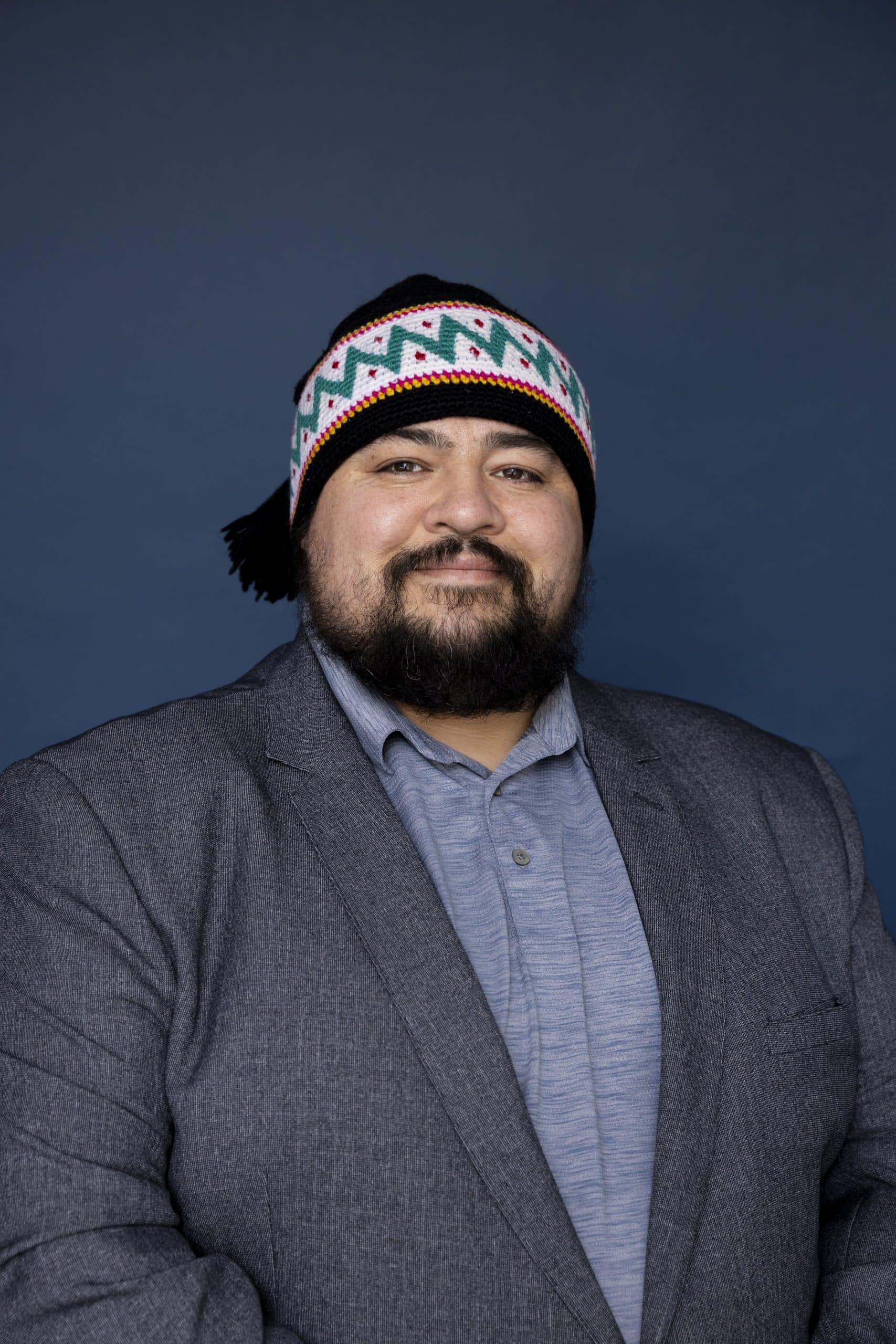
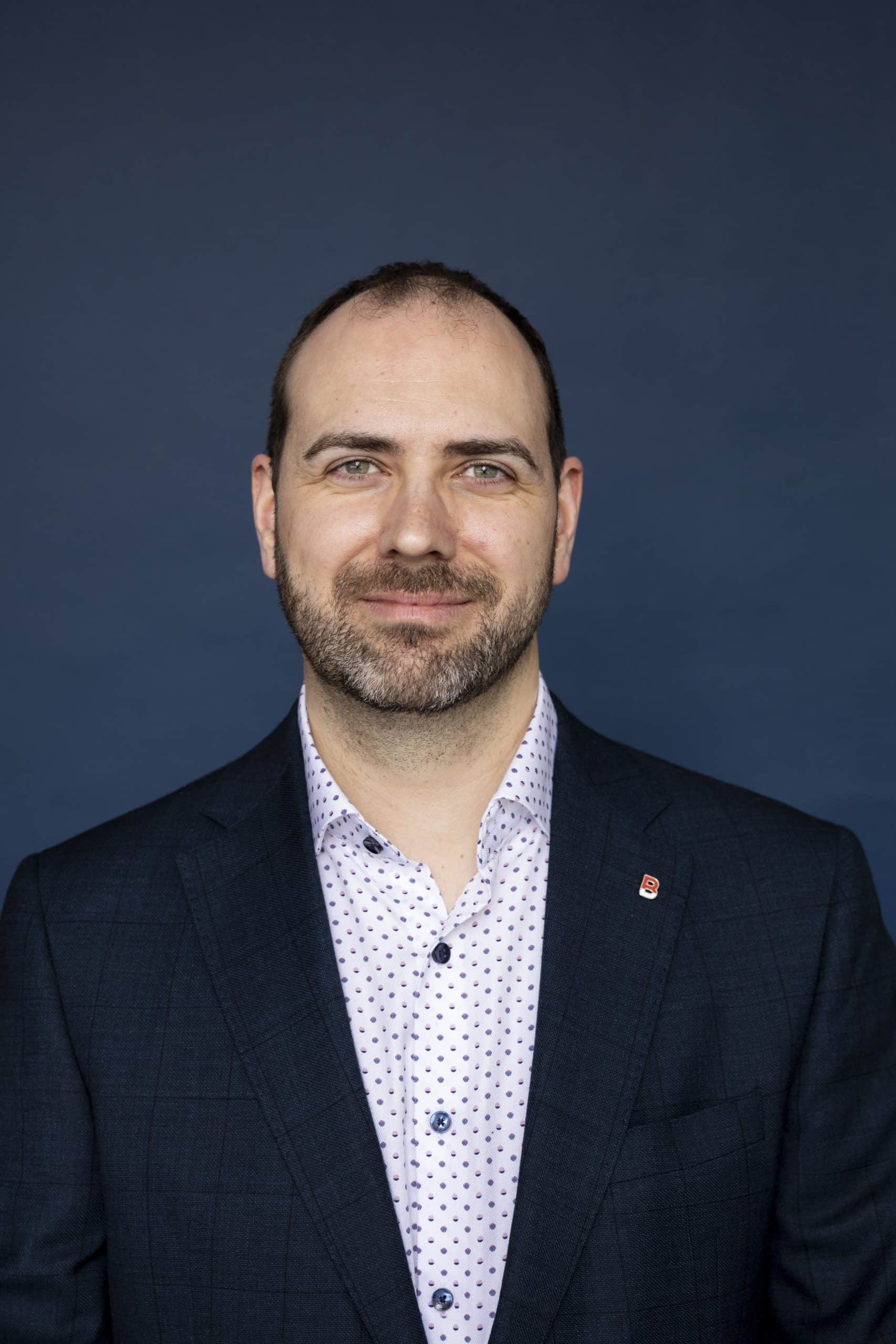
Nathan Uniam & Mathieu Hudon – Development & Understanding
Nathan, a Naskapi from Kawawachikamach, is driven by "'Development' to help build sustainable economic opportunities for my people," he explained. "I aim to create meaningful projects that generate jobs and reduce reliance on external consultants, empowering our community to take charge of its own future."
Mathieu, a non-Indigenous participant, focusses on understanding the unique challenges faced by Indigenous communities in economic development. "My goal is to apply what I've learned to support industries like mining and forestry, helping businesses navigate these challenges while contributing to the economic growth of Indigenous communities."
It is with these aspirations in mind that the second cohort of the Economic Reconciliation program is moving towards more sustainable and inclusive economic relationships between Indigenous and non-Indigenous people. By exchanging and collaborating, these pairs are not just taking part in reconciliation – they are becoming its architects, creating together a future based on cooperation and mutual respect.
We will follow how the cohort evolves in the next few months.

